Rethinking the Consistent Creator Mentality – Systems NOT Motivation
All creators have a memory of the day that it arrived, that feeling of clarity, that itch to film, write, create and design, today, at last, it would be different. It’s a true feeling. Also is not at all reliable as a source of livelihood.
Motivation is not a Strategy: it is a State. It rises when you win, comment and when you get a good night’s sleep or just a random spark of inspiration and it falls as much as it rises when life goes back to normal — which is most of the days. The creator relying on that spike to appear, is simply as if outsourcing their business to their nervous system. There are times when it pays out and some weeks it doesn’t. Most of the time it doesn’t, and the viewer(s) are able to see the holes before the video creator realizes there is an issue.

But in a System it is a different question that is answered. System: What happens next, no matter how I feel. The distinction amongst a campfire that ought to be tended consistently and a planned furnace. The inspired creator creates in spurts and spurts and then nothing and nothing and then guilt and then creates and creates and then nothing and nothing and then guilt and then creates and creates and then nothing and nothing and then guilt. No one can see from the outside the systematic creator’s rhythm: the rhythm is not emotional. Mechanical; mechanical things don’t get tired like people do.
It is not an invitation to deny or inhibit emotions or to make creative expression cold. It’s an understanding that it’s a plus and not a must. The best systems are actually designed to keep you from taking the fun out of creating, in that they eliminate all the stuff around it that saps your will to do it, the searching, the deciding and the re-explaining to yourself, ‘Why am I doing this?’. After that, motivation becomes what it’s supposed to be – a pleasant surprise, not a requirement of the job.
The 3 Pillars of a Frictionless Creation System are:The 3 Pillars of a Frictionless Creation System are:
Repeatability under bad conditions, not just good conditions, is the name of the game when it comes to a system — it doesn’t have to be complicated to work. Whether you’re a one-person newsletter team, or a six-person content team, you can find a core structure to most durable creator operations. Remove the tools, the platforms – this is the architecture behind.
INPUT STANDARDIZATION – is the most important step in the whole process anything you decide to do before you begin creating is something you don’t have to do as you create. Fixed formats – a fixed duration of video, a repeatable post structure, a set of content pillars – reduce dozens of decisions that are made every day to a single one-time decision. This is one way of directly combating decision fatigue, the psychological stress of being constantly forced to make decisions – the amount of which robs you of the energy required to make the important ones. It takes it one step further – batch processing – making 5 videos in a single batch or writing a week’s worth of posts in just one batch, means that the “getting into gear” expense only occurs once and not five times.
Willpower: is one of the limited resources and most creators end up using it up before they even start creating. From searching for a template, to recalling a login or creating a shot list from scratch, every little hurdle is a roadblock between thought and creation. The system is frictionless, and includes pre-loaded templates, tools open, the environment already set up the night before, etc. Habit stacking” is a method whereby you can make the creative activity a habit, such as doing it right after you have your morning cup of coffee, so you don’t have to “decide” to get started. The point is to get the exercise level to about the same amount required to start the activity as to continue it.
Automated Distribution: There are two roles, creation and distribution, and there’s no need to do both. If all the content has to be created and posted manually, and promoted and followed up by hand, output is limited to how much energy is available after creating the content. Scheduling tools, evergreen content formats and channels that continue to work without the need for human input to push buttons means that the work can keep rolling, long after the creator has moved on to another project.
Plan Creative Workflows With AI Storyboards
A good content system is helpful not just during the publishing process but also in reducing the amount of work that has to be done before creation begins. The Invideo agent allows creators to turn their first ideas into structured visual plans by using tools that create a storyboard with AI. Instead of starting with a blank page, creators can produce frames that are ready for production based on a script or prompt, look at different visual options, and arrange the order of the video before carrying on with production. This makes it easier to move from an idea to a definite execution plan while at the same time keeping the creative decisions in the creator’s control.
Audio Needs to be in the same System
Sometimes a brief indication of how to do a written tutorial is required. Background music might be required with a video. This newsletter can eventually be turned into a narrated clip, and if I want to go in that direction without filming anything myself, an AI Video Generator such as Higgsfield can give me a starting point straight from the draft. The following formats are all part of the same publishing workflow.
If I want to go in a musical direction from some ideas I have, an ai music generator from lyrics can give me a starting point. The useful one is to shorten the distance between an idea on the page and a rough concept for an audio that can be heard.
That’s a very rough result, which still requires a judgment. The creator must take into account tone, audience, originality, platform requirements, and rights issues.
An Automated Creator Engine that can be accessed via the Web Architecture.
Motivation is like a flashlight, systems are like a big flashlight.
Social is a rented land. This algorithm that is working so well for the creator today, may end up killing them tomorrow – and every post is a game of chance with a feed they are not in control of and can’t always foresee. It also requires one thing which no infrastructure should require- your day to day emotional state. Taking a social media fast can be detrimental to reaching, though it may not seem like it at first glance. On a proper, strong website, nothing is lost after a week, since a website isn’t based on an algorithm’s humors, it’s based on architecture!
This is the aspect that a majority of creators do not pay attention to. The fact is a creator owns their website as the only way of distribution. It is not as if you didn’t post today that it throttle. Does not have to do with pursuing a trend to be visible. Whether it’s 2 a.m. or 2 p.m., a fast, well-designed site functions just as it did, just as it will: It’s indexed in search, it has the same stickiness with its readers, and it converts traffic the same way, regardless of whether it’s an inspired day or a burnt out one. It’s no small luxury. That’s why you have a system – results that are not based on your emotions.
What’s the problem here? Most creators create their site the same way they create their content: with a lot of hype, the quickest theme to install and never look back at the technical aspects of the site. Even if the best content in the world is atop a slow, cluttered, poorly structured site, it quietly harms each and every visitor to the site. That’s where Piki Templates comes in handy to a creator’s stack. Piki Templates is designed around the concept of the site being an infrastructure; to be light, pre-optimized and able to withstand real traffic without always having to “babysit” it.
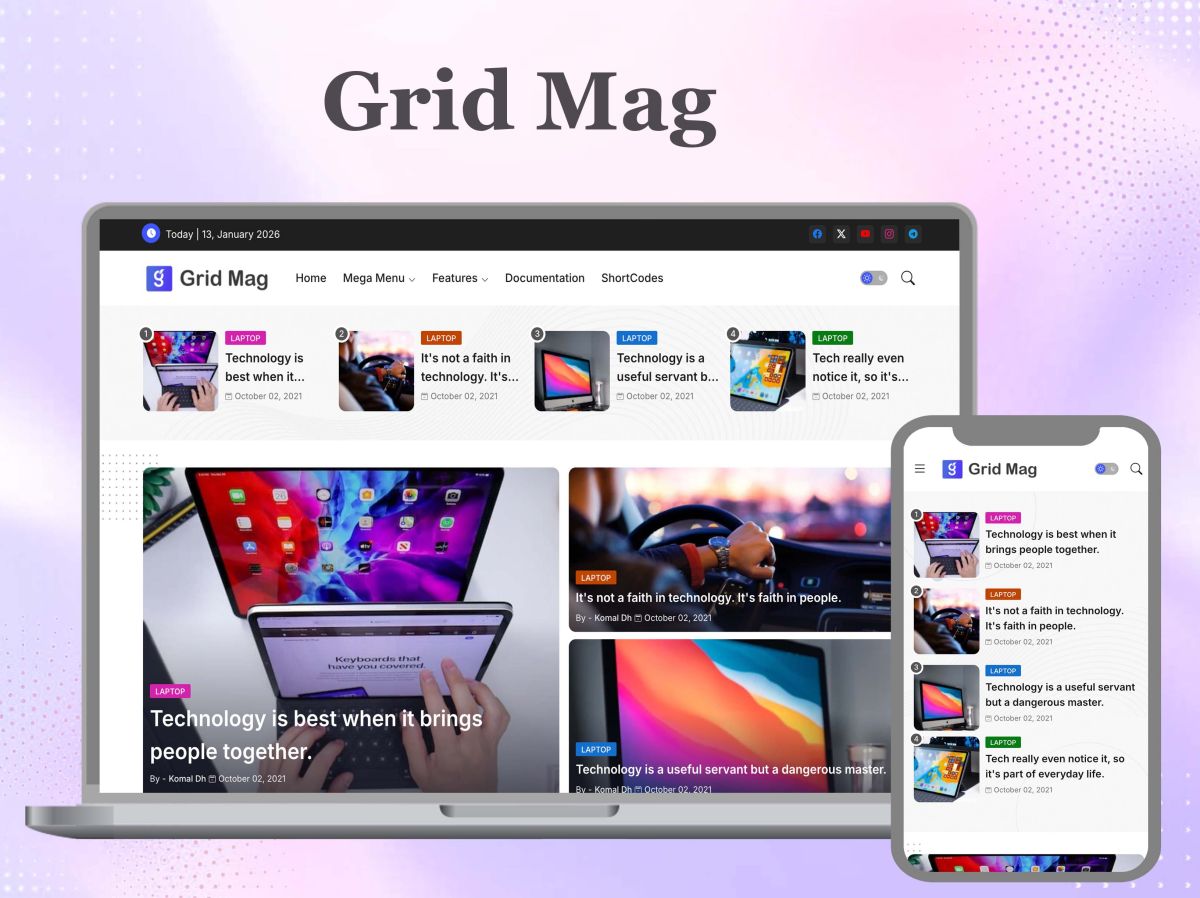
Templates such as Grid Mag or Quick Spot were created specifically to be premium, Adsense friendly Blogger templates and offer a clean layout which can be read easily and has ads without taking away the enjoyable of reading. They are designed with SEO principles at the heart of the plan, rather than a creator having to “apply” technical SEO to a theme which doesn’t include it. That means that you can attract visitors to your website whenever, while at the same time making money from the readers who come to your website—and continue to do so even if you don’t publish on your website this week. That’s the web version of the automatic pillar of distribution, which is not a daily task but rather a structure.
Digital Hub Actionable Steps to systematize it
The transformation of a Web site into a real system and not a maintenance task is a short, deliberately set-up sequence of tasks. Remember, there’s no complicated stuff. It’s all got to be done in the real world.
- Step 1: Select a framework with ultra lean. Choose a theme that is fast and easy, not one which relies on eye-catching graphics. The Citron theme, like all of the free Blogger templates from Piki Templates, is designed to get out of the way – with no bloaty code, no plugins to baby sit, just a quick foundation that leaves you free to concentrate on your creation.
- Step 2: Create evergreen content hubs, automatically. Find posts that will remain relevant for a long time and set up the website in a way that will allow them to remain discoverable – via internal linking, well-defined categories, etc. – rather than being buried after a week on the homepage. This makes past work an asset, rather than an archive of which no one remembers.
- Step 3: Streamline monetization and capture to the layout. If you’re placing ads and/or opt-in forms in emails, they should be part of the template and not manually added to each of your new posts. Grid Mag and Quick Spot are templates that are designed with the ad unit in mind as well as to capture forms natively – revenue and list growth takes place in the background while the focus is on the work itself.
- Step 4: — Auditing on friction NOT features. The only thing that you need to do after the site goes “on air” is to make sure that the speed of your site is still fast, the navigation is simple and that nothing is added that brings back the clutter you removed in step 1. STRENGTHS OF A SYSTEMS: to need less as time goes on, not more!
Overcoming the obstacles to positive change.
To have long-term creative freedom, it’s not about discovering a strategy that will make you feel motivated more often; it’s about creating a system that will make you feel motivated, even if you don’t want to. It’s the creators who make it to the end of the day that aren’t the most inspired ones, but rather the ones who made it to the end of the day by switching the mood for the operational. A random content habit, coupled with a truly high-performance web system not only has to be built to be fast, structured and monetized, but also to be one that doesn’t need constant upkeep. Emotion is by design, it fades. When it does it’s a well-built system, and underneath it, a well-built website.