The Inbox 2026 is a prize you can win.
Inbox has been altered to. Today there’s a more aggressive mailbox filtering, real-time rating of your sender-reputation, and subscribers have become immune to mass-blast newsletters, which arrive three times a week, with nothing new to offer. Gone is the time when you can just send the same email to everyone, and you’re not playing the game anymore, you’re simply creating junk that gets sorted out before anyone can read it.
Now it’s relevance that’s the key. Inboxes are more intelligent, spam is more tightly filtered and subscribers are looking for emails made for them, not for a list of ten thousand people who don’t know you. Meanwhile, the traditional playbook of stalking users across the internet – via third party cookies – is quickly becoming obsolete. Due to privacy laws and browser limitations, that information isn’t reliable anymore; and the marketers that are winning today are the ones who actually solicit feedback from their subscribers and then do what they say. Add to that AI that can determine the ideal time to reach an individual’s inbox, and you’ve got yourself an entirely new match than the one that was performed even a couple of years ago. There are three key elements to achieving success today: compose less, write better emails; respect your subscribers and earn their data; and ensure every touch point – and each mobile touch point in particular – is easy.
Top priorities to help drive engagement this year
None of this is dependent upon having a large team and an enterprise budget. It needs some thought and care in terms of the use of time and data. The strategies that are making a difference this year:
Allow AI to take care of send time optimization. Avoid the guesswork in identifying the best time to send an email, Tuesday at 9am, and use tools that are able to analyze each individual’s open patterns and then send the email when they are most likely to open it.

Include features within the e-mail message itself, such as polls, short surveys or clickable product carousels, to encourage subscribers to do something without ever coming out of their e-mail box.
Staying informed on Zero Party Data. Try preference centres, welcome surveys or a one question poll to ask people directly what they want instead of tracking pixels, which are being blocked more and more.
Audaciously scrub your list! Get rid of subscribers who haven’t opened anything in months as a smaller, engaged list is going to go a lot further in keeping you off the red list in terms of deliverability.
Always make sure that all e-mails are mobile first. Most of the opens are on a phone – design with the smallest screen in mind and then consider desktop screen design as an afterthought.
The Post-Click Experience: the real place of conversions.
This is the aspect that a lot of strategies miss. The send time, subject line to open and personalization of content can all be nailed and you still risk the loss of the sale due to what occurs after the click. If they click on your link and arrive at a page that takes 6 seconds to load or the page changes, or elements appear to jump around while you’re still loading the images, then they leave without seeing your offer. All that effort to get the email opened is lost when it’s supposed to be at work.
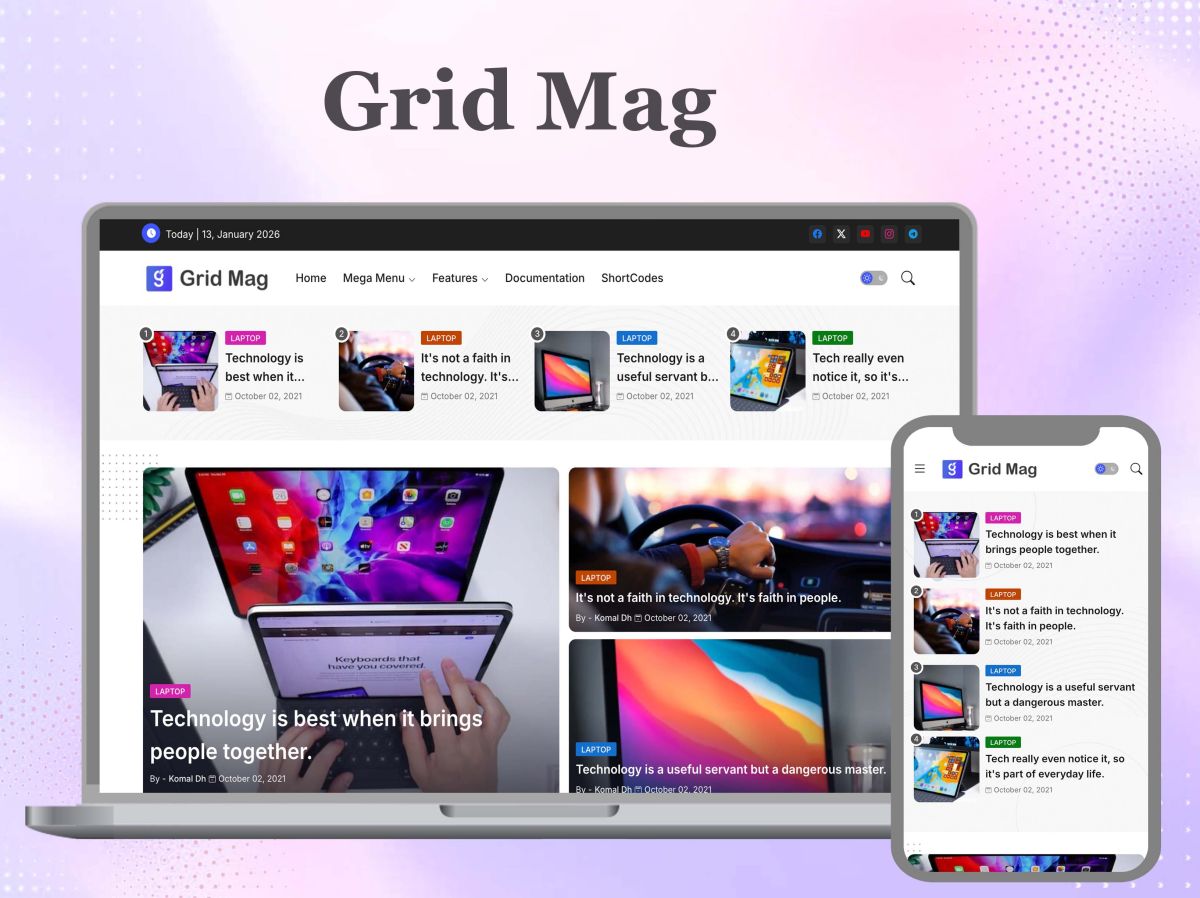
That is why it is so important that your landing page be given the same thought and consideration as your email copy. There are marketers and bloggers out there that realize that the click is just half the conversion, and that’s where Piki Templates comes in. They have light-weight and pre-optimized SEO blogger templates and premium Adsense friendly blogger templates such as
Grid Mag,
Quick Spot etc and these have been created to load almost instantaneously and are mobile friendly with no moving elements and no bloated scripts slowing it down. If your newsletter traffic has ended up on a page like this, your efforts made in a great newsletter continue on to a read, click or a sale, rather than fizzling out on a slow loading page.
Essential Web Infrastructure for Campaign ROI The web is also a key component in the equation for campaign ROI.
A good e-mail marketing strategy and a poor website go hand-in-hand. But if you’re looking to see the traffic of your campaigns translate into the revenue, your site must be as well-thought-out as your sending plan. Consider the following to be the most important things to keep in mind:
- Be sure to use a true lightweight framework. For example, a theme such as Wind Spot, from Piki Templates, removes all of the excess code, and makes pages load rapidly even when your campaign causes traffic to spike.
- Minimize bounce rate on the source. Piki Templates’ free blogger templates are designed and coded from scratch, meaning that when visitors come to your blog, they won’t be greeted with a cluttered and confusing layout.
- Prioritize mobile readability. Most of your email clicks are from a mobile device, so creating a well-spaced layout that is responsive to scrolling (and not tapping) helps to keep your readers sticking around.
- Maximize ad monetization. The AdSense-friendly designs have ad units in places that are known to earn, but don’t interfere with the reading process, making your newsletter traffic actually money!
- Minimise maintenance work so that you can concentrate on strategies.
A stable, well-constructed template will save time troubleshooting problems with your broken layout and will allow you more time to tweak your campaigns to attract traffic to your site first.
How to get the word out to customers about your products and services.
The key to an effective email marketing campaign in 2026 is more than just what goes on within the inbox—it’s the entire journey that a subscriber goes through from opening your email to reaching your website. While click-worthy, hyper-relevant and privacy respecting emails can entice consumers to click, a fast, clean, well-structured landing page is what can convert that click into a result. When creating both halves, do it with the same degree of effort – you’ve just got the actual recipe for success to build a brand that continues to garner recognition long after the send button is hit.