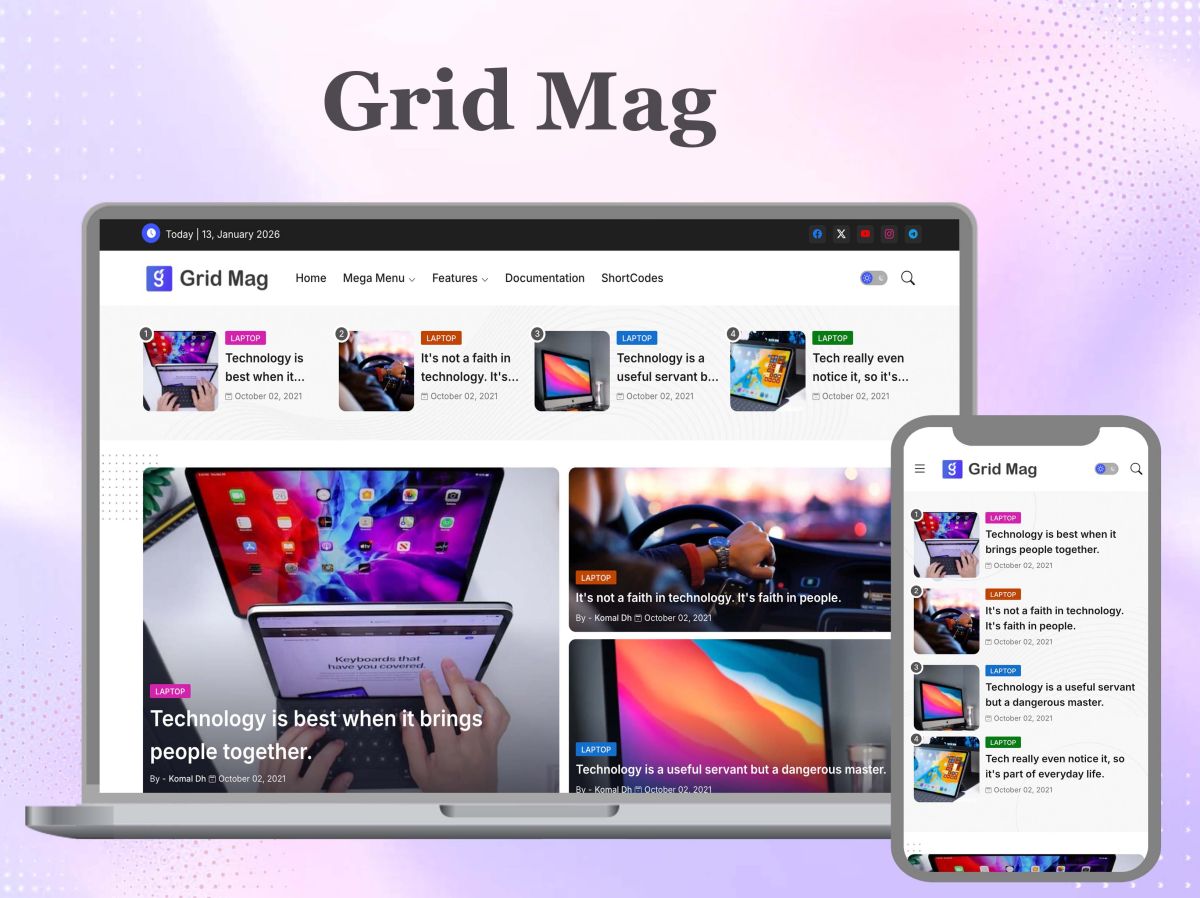
A nature website can do more than share beautiful photographs. It can help readers understand local ecosystems, make informed choices, and take practical steps to care for the places around them. Whether you are starting a conservation blog, adding an environmental section to a health site, or choosing a template for a new publication, a clear plan for content and design will make the site more useful.
Start with a specific reader
“People interested in nature” is too broad to guide every editorial decision. Consider who you want to reach and what they need. A neighbourhood audience might value seasonal planting advice and local walking guides. Parents may look for child-friendly outdoor activities. Readers interested in health could want evidence-based explanations of how time outside relates to wellbeing, without overstating what research can prove.
Choose a few core topics that fit that audience. For example, a small site might cover native plants, wildlife-friendly gardens, and accessible outdoor activities. A defined scope helps visitors understand what the publication offers and gives contributors a useful brief. It also makes it easier to build navigation that reflects readers’ questions rather than the site owner’s internal categories.
Make the design support the content
A template should help readers find and use information, not compete with it. Look for readable type, strong contrast, and layouts that work on phones as well as desktop screens. Nature sites often rely on photography, but large images should not push the article’s main point far down the page or slow loading. Use image dimensions consistently and write concise captions that explain what a reader is seeing.
Plan a simple structure before customizing colours and decorative details. A homepage can introduce the site’s purpose and highlight recent or evergreen articles. Category pages should group related stories, while individual articles need clear headings, comfortable line lengths, and a visible date where timing matters. A plant-care calendar or seasonal wildlife guide may need an update date so readers can tell whether its advice is current.
Publish practical, trustworthy nature content
Readers are more likely to return when articles answer a real question. Instead of a broad post about biodiversity, explain how to make a balcony more welcoming to pollinators, what to observe on a local walk, or how to distinguish a common garden visitor from a similar species. Give steps in an order people can follow, explain unfamiliar terms, and state when advice depends on location, climate, or season.
Accuracy matters, especially when writing about wildlife, health, or environmental change. Check facts against credible sources, distinguish established findings from emerging evidence, and avoid presenting one person’s experience as universal. If an article includes advice that could affect people, animals, or habitats, explain its limits and suggest when readers should consult a qualified local expert.
Guest contributions can bring fresh expertise and introduce a publication to new readers, but relevance should come before volume. A contributor who knows urban trees, accessible trail design, or habitat restoration may add more value than a generic article that merely mentions the environment. Editors looking for suitable outlets can explore nature guest posting websites and blogs as one way to identify publications focused on nature and the environment.
Choose collaborators for the work you need
A growing site may need help with writing, illustration, photography, web development, or promotion. Before hiring, describe the deliverable, audience, deadline, and review process. A writer producing one field guide has a different assignment from an editor responsible for a regular series. Clear expectations help both sides estimate the work and reduce avoidable revisions.
It is also useful to understand freelance work vs contract work before deciding how to bring someone on. Freelancers commonly take on defined projects for multiple clients, while contract work can describe a time-limited arrangement with terms set out in an agreement; the practical details depend on the role and jurisdiction. Osdire’s guide to freelance services explains common service types and how people buy them online. Whichever arrangement you choose, agree on ownership, payment, deadlines, and what counts as approval before work begins.
Make the site easier to maintain
A useful publication is not finished at launch. Set a realistic schedule that leaves time to check facts, update older articles, and review whether the site still serves its audience. Keep a short editorial calendar with seasonal topics and planned updates. For evergreen guides, revisit links, dates, and recommendations periodically rather than assuming that a popular article will remain accurate indefinitely.
Finally, invite readers to participate in a way that fits the site. You might ask them to submit questions, share observations, or suggest local topics, while setting clear rules for privacy and moderation. A thoughtful design, a focused editorial promise, and dependable information can turn a collection of posts into a resource people return to—and recommend to others.