Digital discovery is at a seismic shift.Digital discovery is in a seismic shift.
For the past 20 years, the premise has been the same for digital marketing: rank on page one, get the click and get the customer. That theory is falling apart as it’s used. With the introduction of AI Overviews, conversational search assistants, and answer engines, those 10 blue links have been replaced by one single AI-synthesized answer, which comes with or without your brand’s name.
It’s not just an updated algorithm. Change in the unit of value that marketers are bidding for. Previously the finish line was a top three. Now it is simply raw material which may or may not be selected as a source by an best AI visibility tools model like Instagram Video Downloader. The new finish line is the brand mention itself – when a large language model that’s answering a user’s question brings up your company, your product or your content as the trusted answer.
If marketers still think rankings are the only way to measure success, they’re optimizing for a scoreboard that’s quietly being devalued, while a strong Digital Transformation Strategy London helps businesses focus on wider digital performance and long-term growth. What’s important on the scoreboard these days is a bit more difficult to manipulate and much more meaningful to achieve: Citations in AI-generated responses or ai tools for business. To get there we need a different kind of discipline, one that’s based on machine-readability, entity clarity and technical performance, rather than only keyword coverage and the number of links.
Essentially, there are four stages of the evolution of search visibility, which are as follows:
There has been no one change in search visibility, there have been four changes and each time, the methods of the previous one have been thrown away. The best way to grasp this transition is to see how this evolution has occurred, and why it requires a new way of thinking about the AI-driven landscape today.
Stage 1: Keyword Density. The visibility challenge of the early days of search was a matching game. Engines would search for a query string and marketers would start repeating the query strings on pages. Relevance was determined as word frequency rather than meaning like ZenBusiness.
Stage 2 – Backlink Authority & PageRank. In the development of search, moving from a word count to a count of endorsements. The quality of a page depend on who was linking it and the value given to the link. Marketing evolved into link building, domain authority building and outreach, and the currency of trust became inbound referrals.
Stage 3 – Core Web Vitals & intent matching. The next step was to make user experience an integral part of the ranking formula. Google started to measure load speed, interactivity and visual stability and became more adept at understanding the intent behind a search query – not just the words typed. Semantic search came and technical performance became a ranking input.
Stage 4 – Generative Engine Optimisation. Now we’re at the point where we are no longer getting a list of links as “result”, but a generated answer. Engines with LLM capabilities are able to scan like AI agents for lead qualification, understand and combine information from all over the internet and determine which sources should be cited on a sentence-by-sentence basis. In winning this stage, they will be creating content that is well-structured and fast enough to be confidently extracted by a model and attributed correctly like user-generated content examples.
Technical Web Architecture – AI Citation Magnet
AI search models assess the speed and clarity of your code, not only to read your content. Clean architecture is referred to, bloated sites are bypassed.
The final, and most important, aspect of how well an LLM can cite your brand is how well its retrieval mechanisms can easily find and understand your site in the first place. Retrieval Augmented Generation Pipelines function by retrieving (from live or indexed documents) and chunking text and feeding it into a model’s context window. With all of this render-blocking code, bloated DOM trees, or inconsistent markup, you are not only losing out on Core Web Vitals points, but also the risk that an AI crawler times out, doesn’t read your page all the way, or doesn’t read your page at all, instead prioritizing a cleaner, faster competitor.
This is when crawler budget gets from a theoretical to a real limitation. Similar to traditional search bots, the LLM crawlers all have a limited amount of resources in a limited period of time, per domain. A site full of unnecessary bloated JavaScript and CSS consumes some of that in no particular order — meaning the crawler will get less useful stuff from that site each time it visits and your brand’s signals are just less effective before they even make it to the citation stage workflow automation.
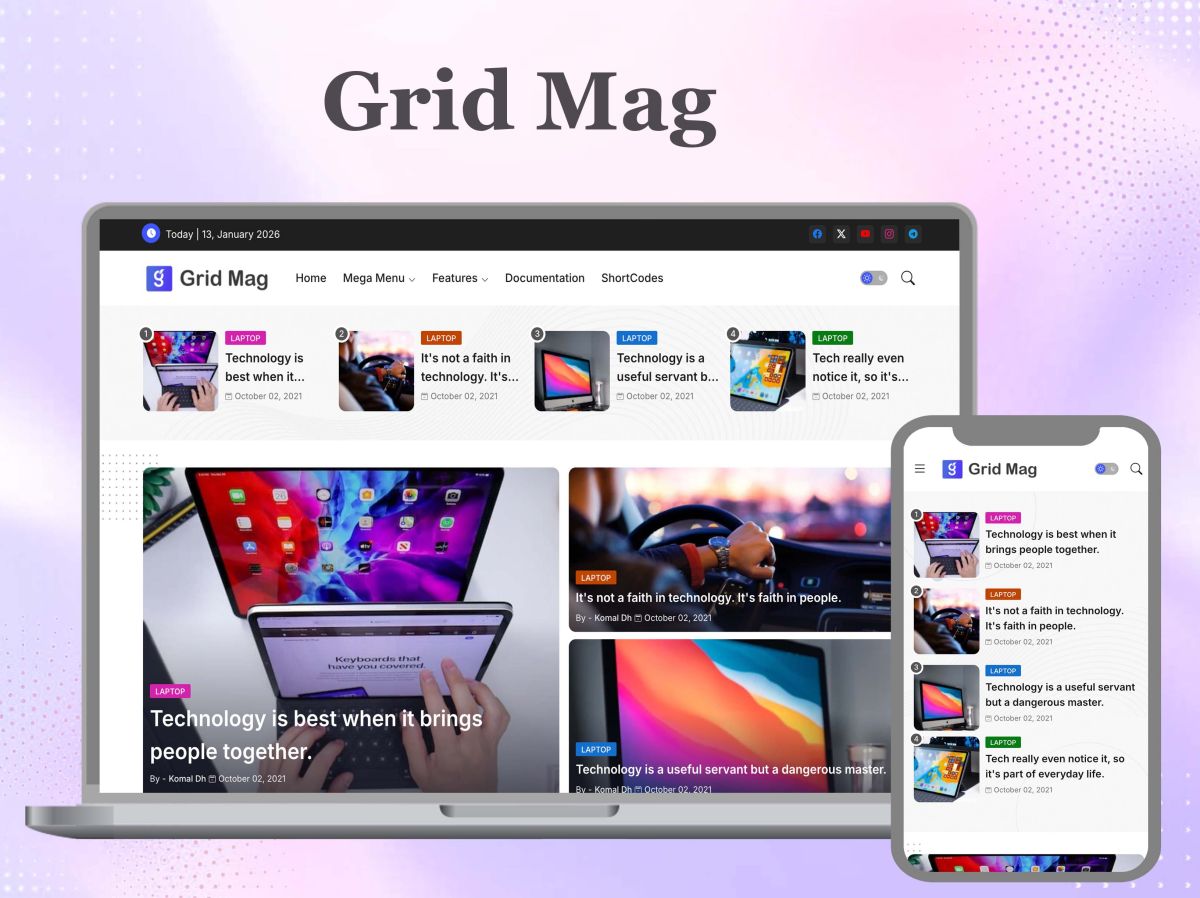
This is just what Piki Templates has been created to fill in. Piki Templates does not add speed and semantics as an afterthought to an existing site, but rather integrates them into the base of the site. They have a selection of seo blogger templates that eliminate the render blocking bloat that slow down standard themes, and provides pure, semantic HTML – clear heading hierarchies, clean entity markup and little script overhead – just how search engines and AI parsers like CRM tools to read it.
The following two templates show how to do this. Designed for content heavy publishers, ‘News Paper 11‘ offers fast loading times, segmented clear layout, and maintains the article structure for both readers and crawlers. Building on a lightweight foundation, ‘SEO Spot‘ adopts the same lightness for use cases such as adsense friendly blogger templates but adds a premium touch for monetization real estate, while still keeping the lean and unobstructed code for the benefit of not sacrificing load times. The strategic rationale is identical in both cases: A template with higher rendering and parsing speeds provides an LLM crawler with less friction and greater confidence – and confidence is what makes a crawl a citation.
Action Plan: When you’re optimizing your digital hub for AI mentions, you should be ready with an action plan.
Plans are only plans, unless they are executed. So, here are the real steps to making your principles work for a site that AI engines can locate, comprehend and reference like team collaboration. SEO AI agents can also help marketers monitor AI search visibility, identify content gaps, and track how brands are being mentioned across AI-powered search experiences.
- Implement Ultra-Lean Front-Ends. Prune all the unnecessary scripts on your theme and shorten your page load time, and use a high-performing theme, e.g. Piki Templates’ ‘Wind Spot’ theme or one of their other free blogger templates, to get your load time to zero as much as possible for the user and for the AI crawling the site.
- Correctly Format content for Direct Parsing. Rewrite important pages with clear definitions of the entities, tight Q&A blocks, and logically nested headings. Organize content to be more easily understood by LLMs before they infer; since the output format should resemble the expected answer format.
- Keep Zero-Lag Mobile Performance. Remove any third party scripts and tracking pixels that are unnecessary and slow down mobile runs. Because more and more of the human traffic, and automated retrieval, occurs on mobile-optimized pages, it’s not a secondary optimization, it’s fundamental infrastructure to ensure visibility to both audiences simultaneously.
In the AI era, achieving Brand Authority has emerged as a key challenge for businesses.
The brands that come out on top of the next decade of search will not only have the best content but, one whose content can be more easily trusted, parsed and repeated back accurately by a machine. That is, combining the real authority and expertise with technical underpinning that is quick and tidy enough to be included in the answer itself. If you set everything up right, the citations come after!